
 EN
EN
 AR
AR
 BG
BG
 HR
HR
 NL
NL
 FR
FR
 DE
DE
 EL
EL
 HI
HI
 IT
IT
 KO
KO
 PL
PL
 PT
PT
 RO
RO
 RU
RU
 ES
ES
 TL
TL
 IW
IW
 ID
ID
 LV
LV
 LT
LT
 SR
SR
 SL
SL
 UK
UK
 VI
VI
 HU
HU
 MT
MT
 TH
TH
 TR
TR
 AF
AF
 MK
MK
 HY
HY
 AZ
AZ
 UR
UR
 BN
BN
 LA
LA
 NE
NE
 MY
MY
 KK
KK
 UZ
UZ
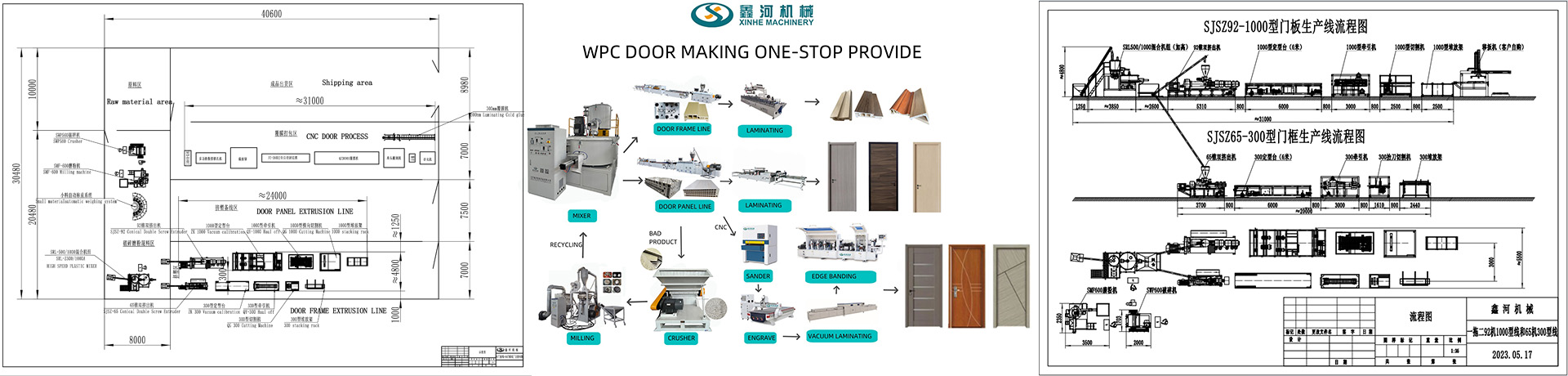
Latest Trends in Plastic Extrusion Die Design
2026
Plastic extrusion die design is rapidly evolving towards intelligence, green practices, and high precision, with technological integration and data-driven approaches becoming the core driving forces.
I. Intelligent Design: From Experience-Based to AI-Empowered
Traditional die design heavily relies on engineers’ experience, but the combination of AI algorithms and simulation systems is reshaping this process. By training historical molding data using machine learning models, AI can predict material flow behavior, optimize flow channel structures, and identify potential defects (such as weld lines and warpage) in advance, significantly shortening the design cycle. Simultaneously, intelligent dies integrating sensors are being applied, providing real-time feedback on parameters such as temperature and pressure, enabling adaptive control of the production process.
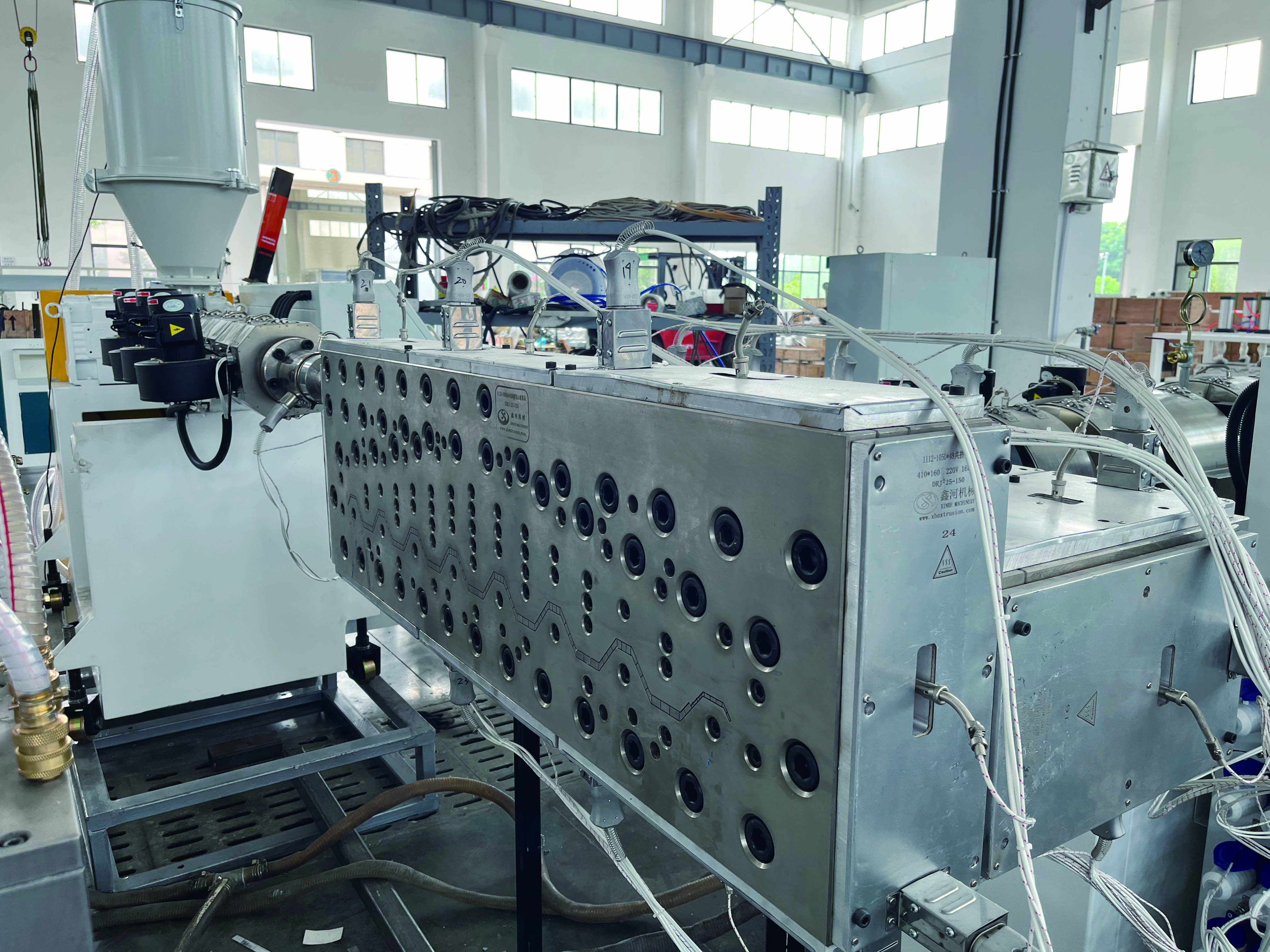
II. Green Manufacturing: Balancing Environmentally Friendly Materials and Energy-Saving Processes
Driven by the “dual carbon” goal, the die industry is accelerating its low-carbon transformation. The rising demand for biodegradable die materials is prompting companies to develop low-energy, low-emission processing technologies. For example, modular designs facilitate die recycling and reuse; water-based coatings replace traditional electroplating processes, reducing heavy metal pollution. Furthermore, energy-efficient extrusion systems reduce energy consumption by more than 30% through optimized screw structure and heating zone distribution.
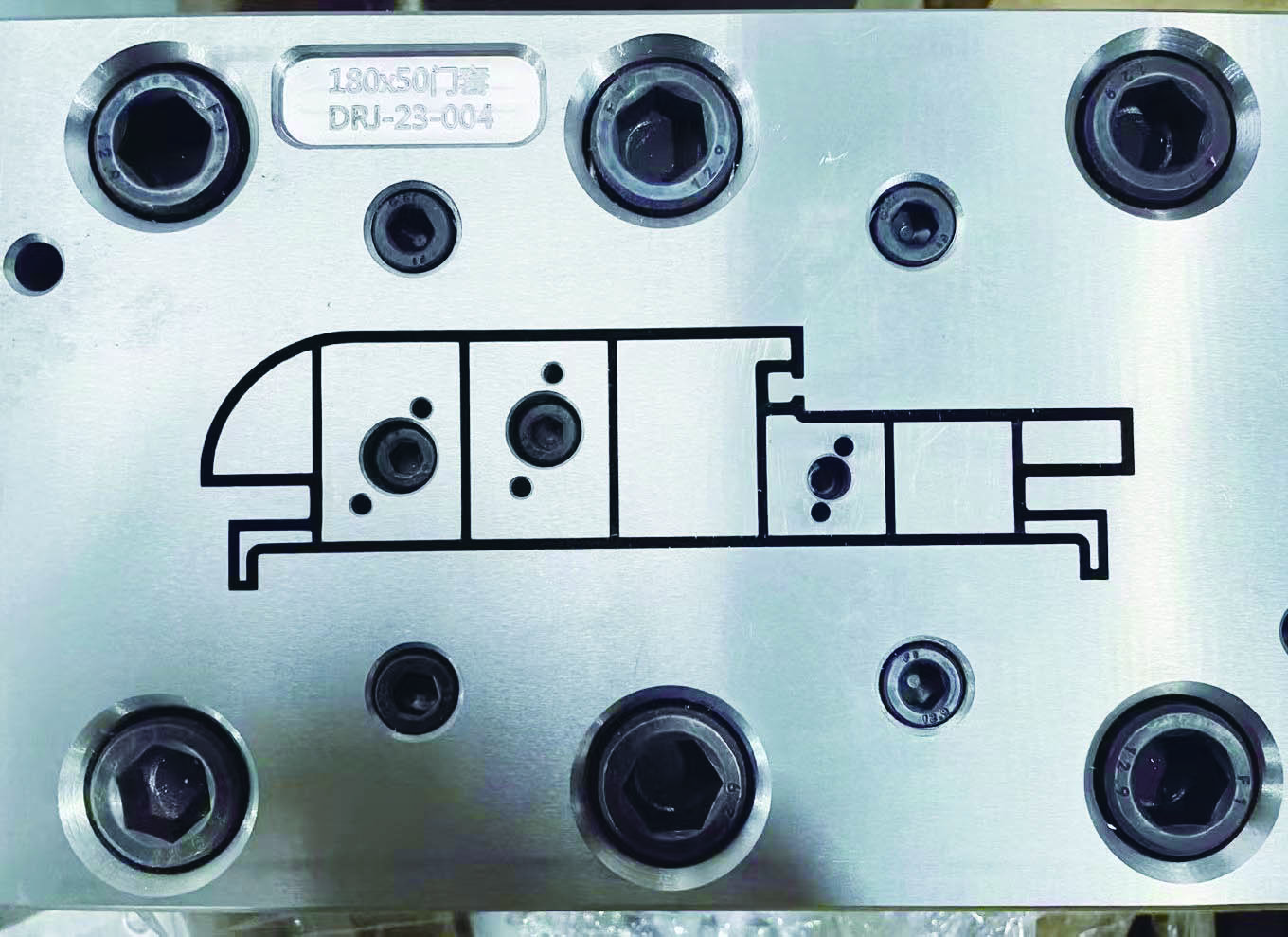
III. High Precision and Composite Design: Meeting the Needs of High-End Material Processing
With the widespread application of high-performance materials such as plastic alloys and engineering plastics, higher requirements are placed on mold precision. The processing precision of key domestic components, such as screws and barrels, has reached ±0.01mm, supporting the independent research and development of high-end twin-screw extruders, with some products achieving internationally leading performance levels. Simultaneously, breakthroughs are continuously being made in the design of composite structures such as multi-material co-extrusion molds and microporous foaming molds, meeting the demands for lightweight and functional products.
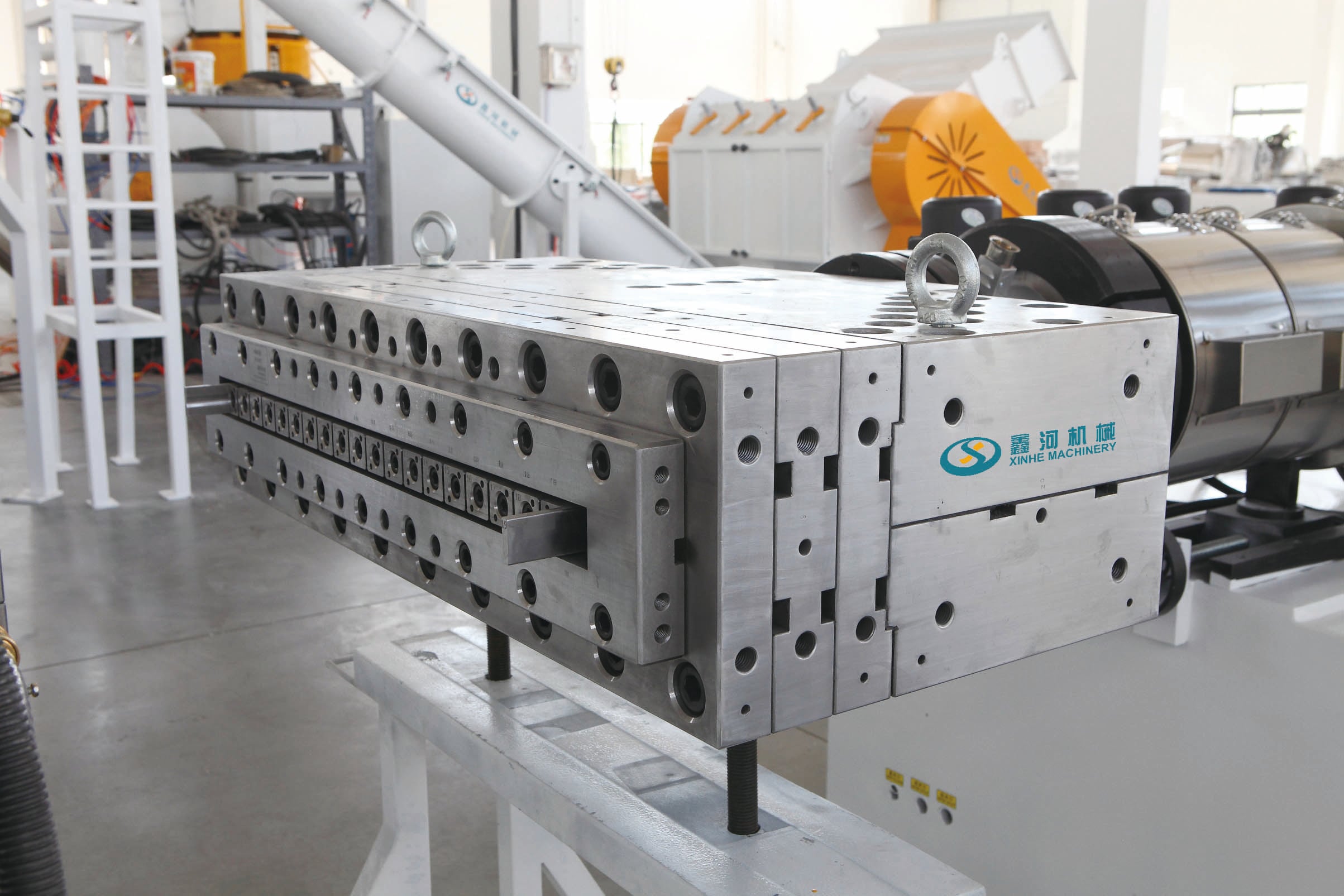
IV. Digital Collaboration: Cloud Platforms Facilitate Global R&D
Cloud-based mold design platforms are emerging, supporting collaborative modeling,simulation, and review by teams in multiple locations. The integrated CAD/CAE/CAM workflow is streamlined, and blockchain technology enables design data traceability and intellectual property protection. ensuring the secure sharing of innovative achievements